Why Olivier Rousteing’s Appointment at Rabanne Is More Than a Creative Hire
By France Villegas
July 15, 2026
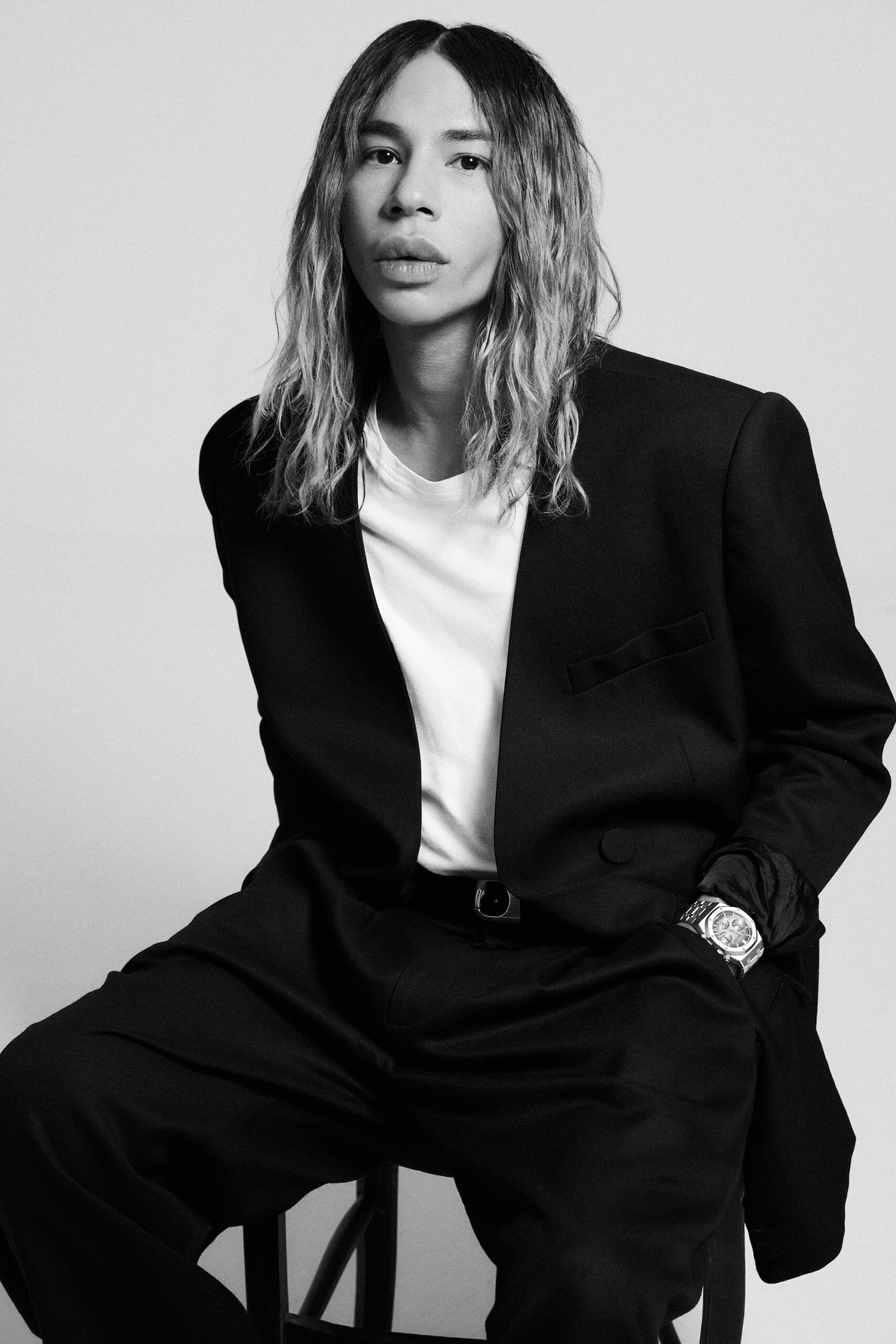
In luxury fashion, the most valuable currency today is not only craftsmanship—it is influence. Olivier Rousteing understands this better than most. His appointment as the new creative force behind Rabanne represents a significant moment for a house built on disruption, but it also highlights a larger transformation happening across the luxury industry: the rise of the creative director as a brand architect.
Giovanni Giannoni/WWD
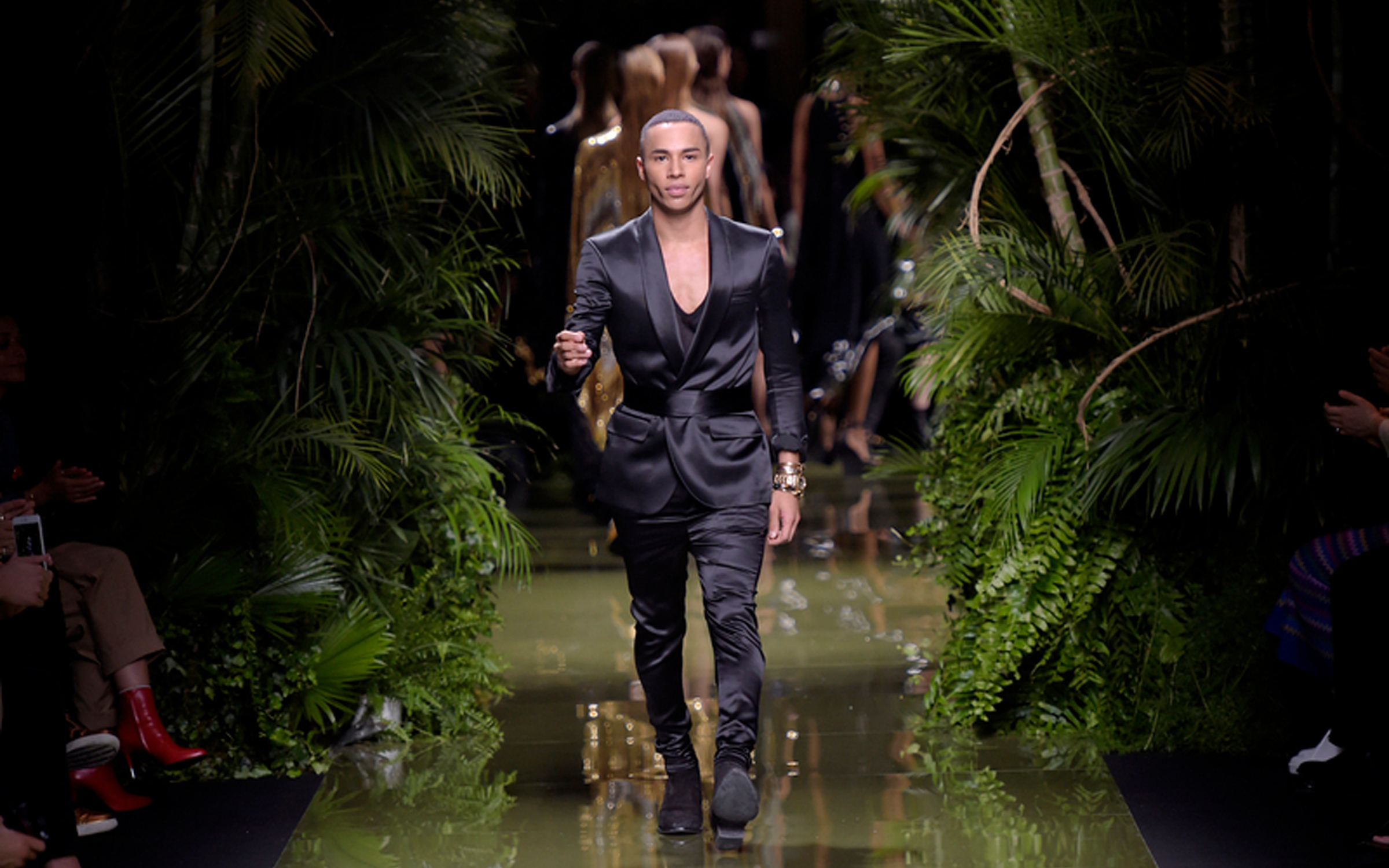
Before becoming one of fashion’s most recognizable names, Rousteing was a young designer with an unconventional rise. After studying at École Supérieure des Arts et Techniques de la Mode in Paris, he began his career at Roberto Cavalli before joining Balmain in 2009. Two years later, at only 25 years old, he was chosen to lead the historic French maison—a responsibility that placed him among the youngest creative leaders of a major luxury house.
What followed was not simply a design evolution; it was a cultural transformation.
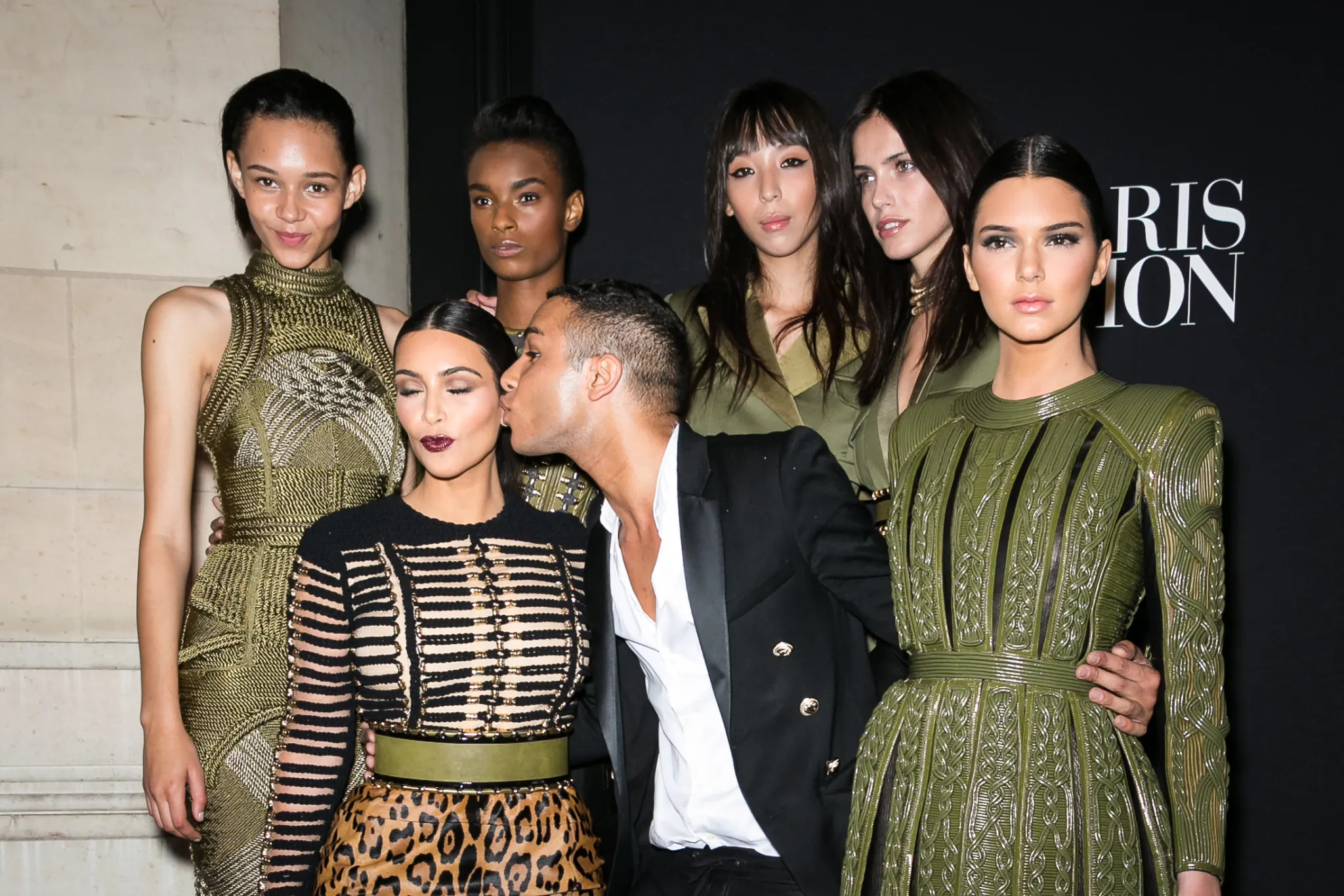
Photo by Richard Bord/WireImage
At Balmain, Rousteing understood something many heritage houses were still learning: luxury needed to speak to a new generation. He expanded the conversation beyond the traditional fashion audience, creating a universe where music, celebrity, entertainment, and fashion existed together.
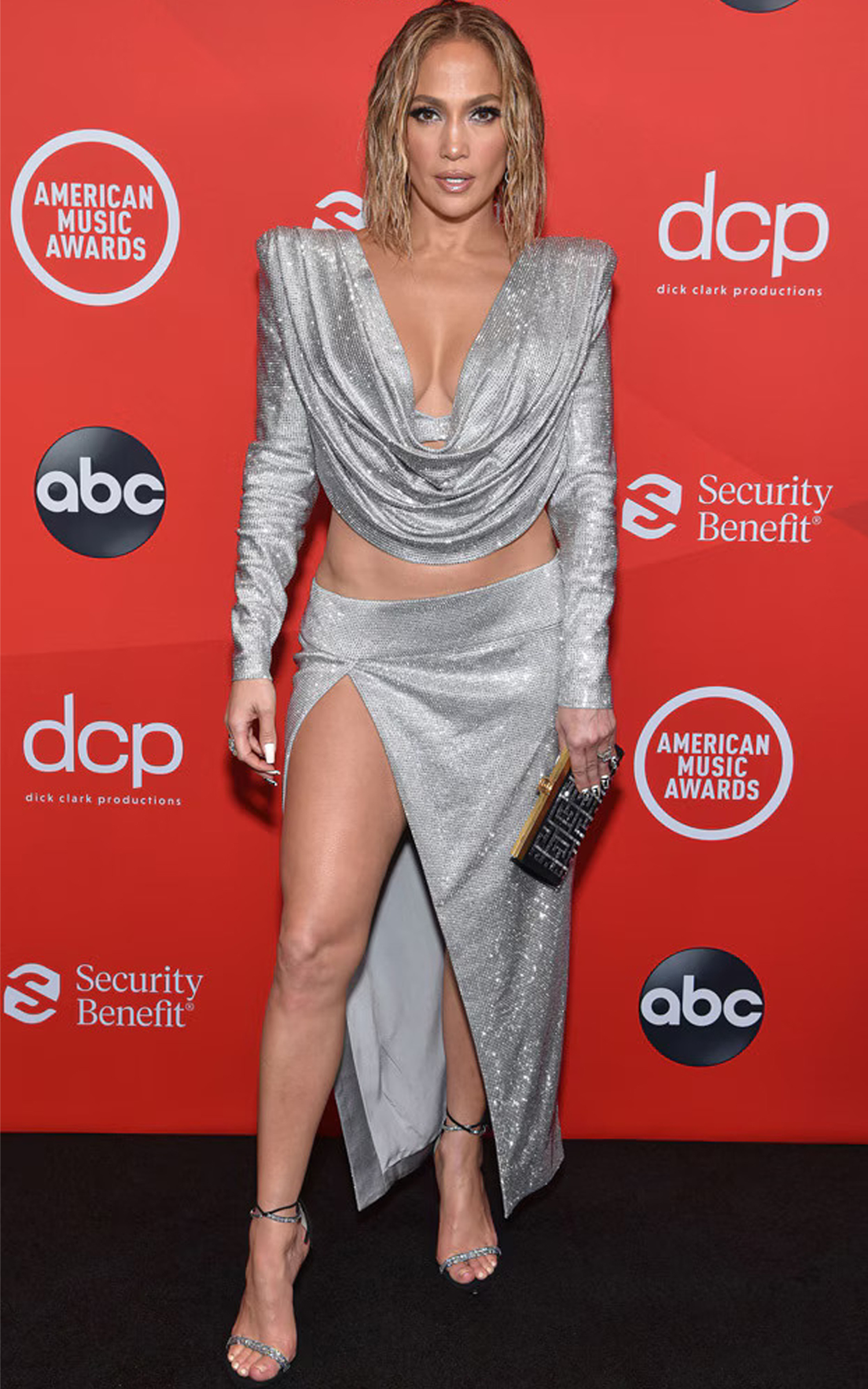
Jennifer Lopez Emma McIntyre /AMA2020/Getty Images
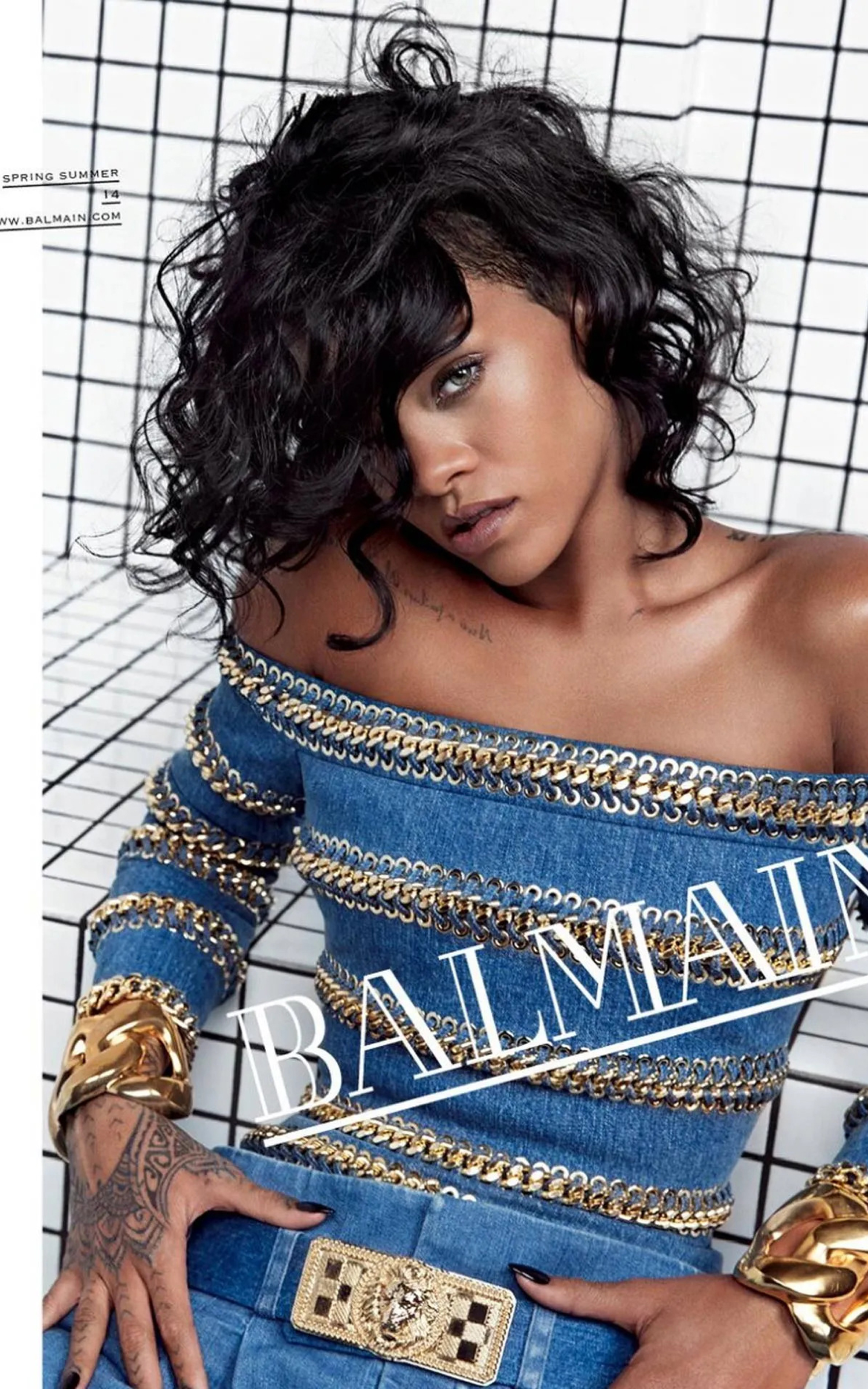
Rihanna Inez van Lamsweerde and Vinoodh Matadin for the Balmain spring/summer 2014 campaign
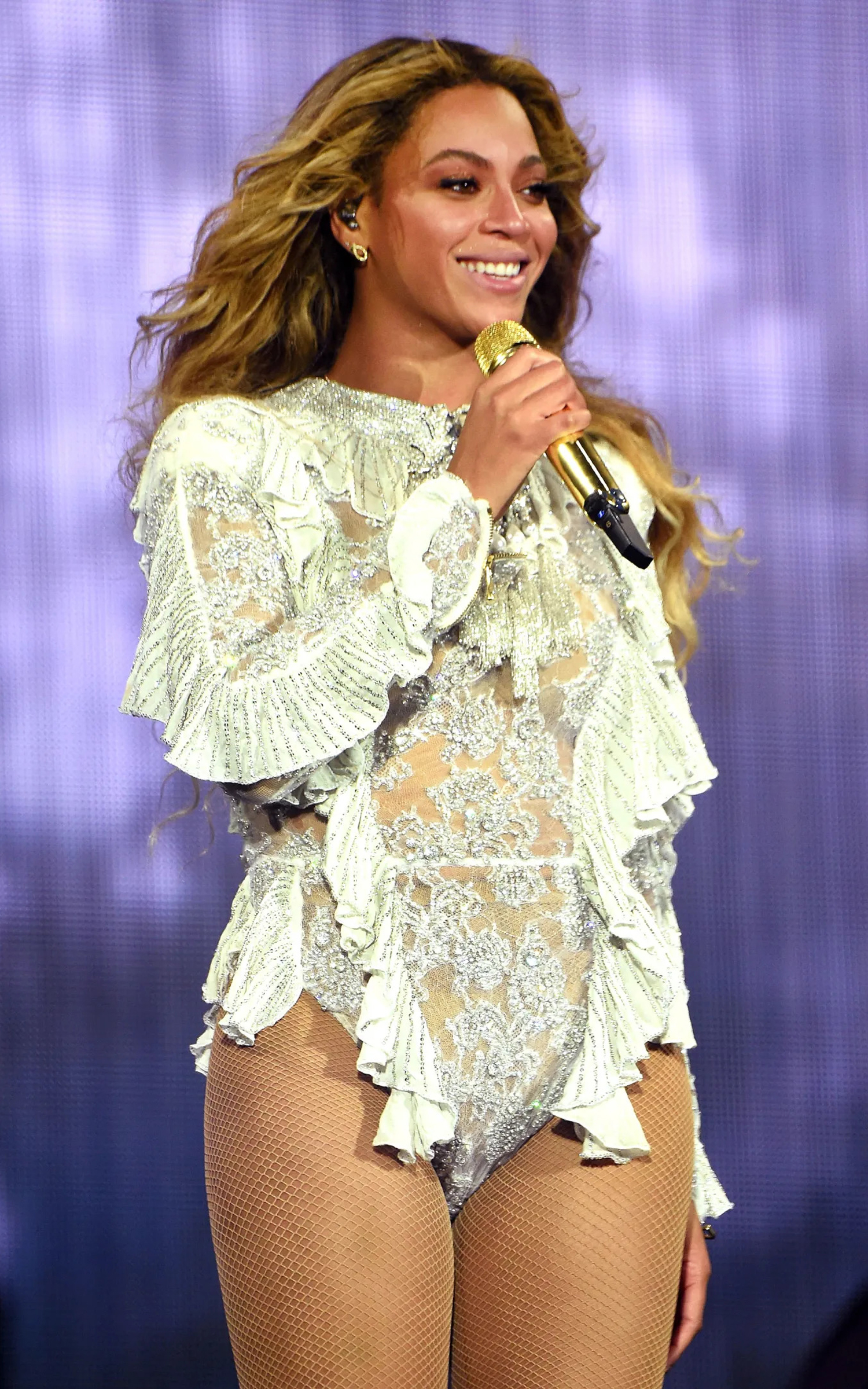
Beyoncé Kevin Mazur/WireImage

Kim Kardashian Photo by Marc Piasecki/GC Images
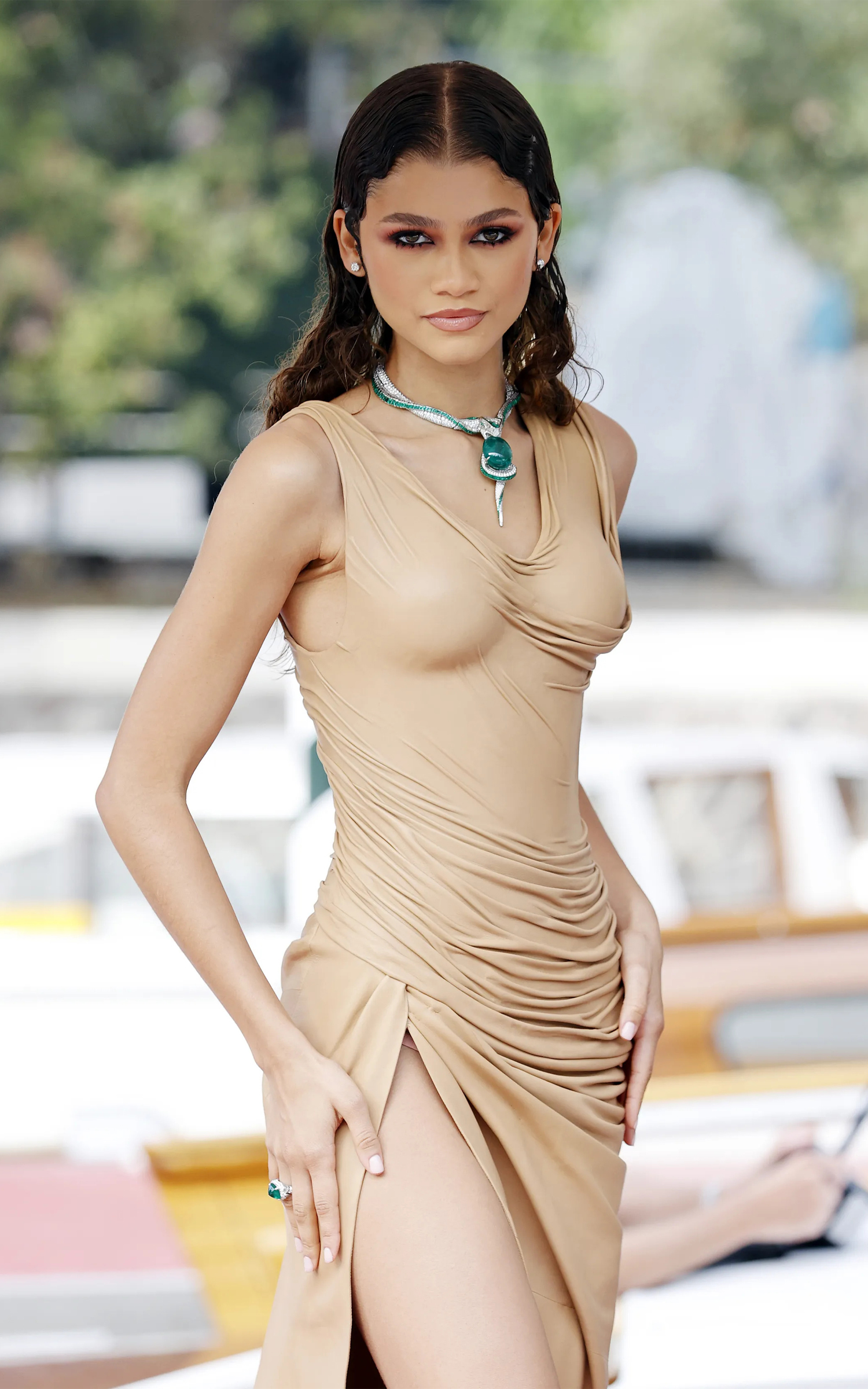
Zendaya John Phillips/Getty Images
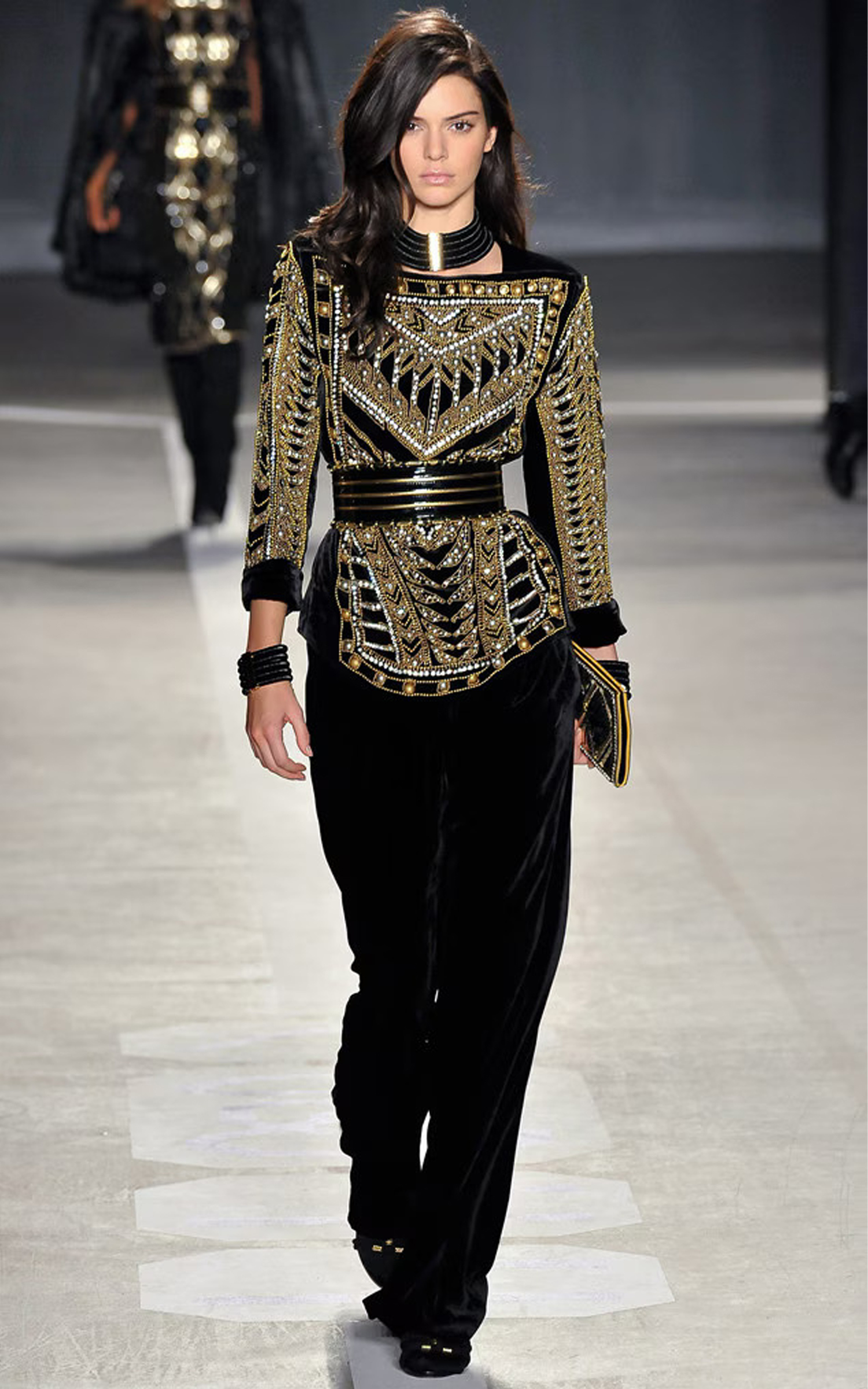
Kendall Jenner D Dipasupil/Getty Images
His designs became part of some of the most memorable cultural moments of the last decade. Beyoncé wore Balmain during her historic Formation World Tour, Jennifer Lopez turned to his dramatic silhouettes for global appearances, while Kim Kardashian, Rihanna, Zendaya, and Kendall Jenner became closely associated with his vision of modern glamour. Through these relationships, Rousteing helped create something bigger than a seasonal collection—the idea of a fashion community.
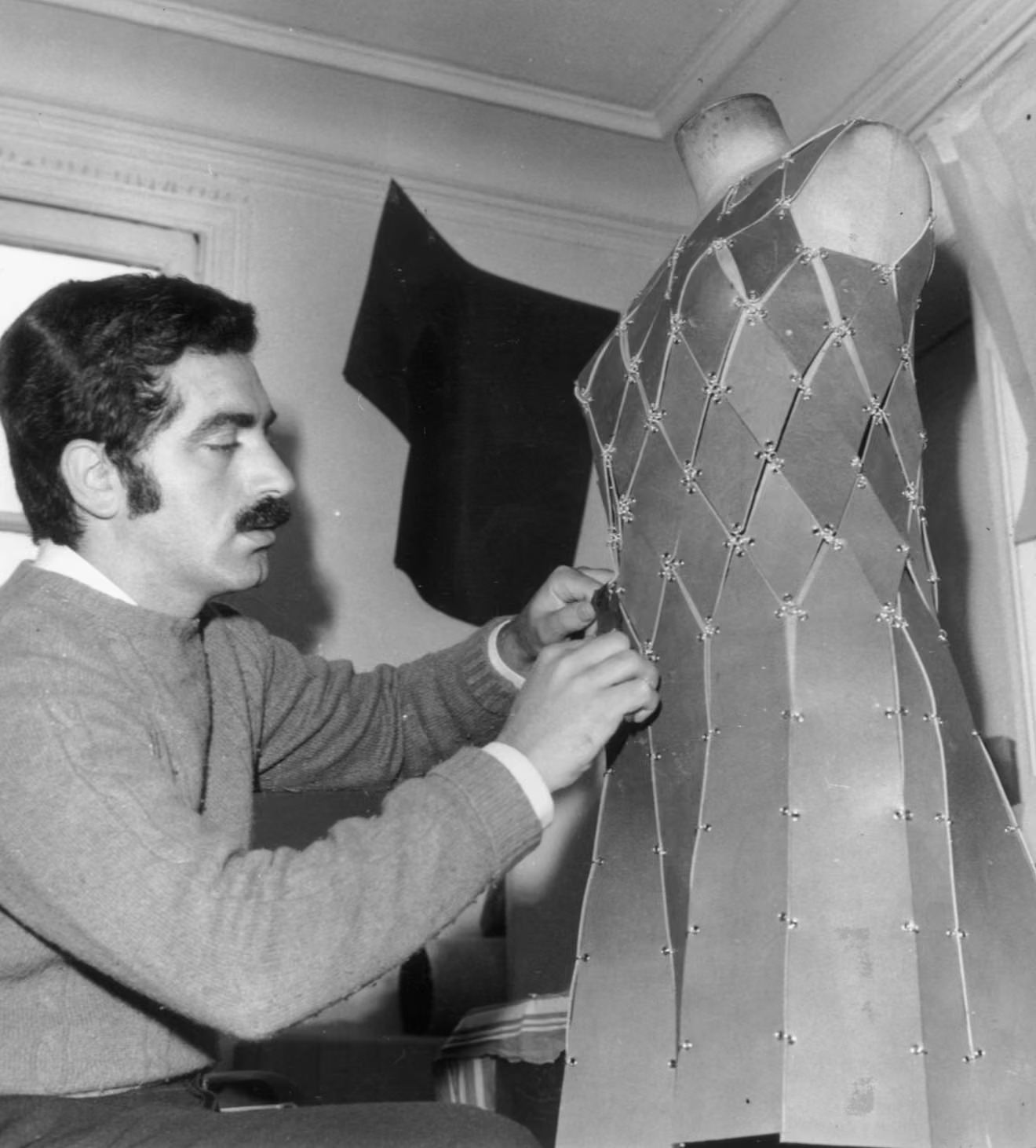
Photograph: Keystone/Getty Images
Now, Rabanne is betting on that same ability to create desire. Founded on innovation and fearless experimentation, Rabanne has always challenged traditional ideas of luxury. From Paco Rabanne’s iconic metal dresses to the house’s contemporary revival, the brand has built its identity around being unconventional. Rousteing’s challenge will not be to erase that legacy, but to translate it into a language that speaks to today’s luxury consumer.
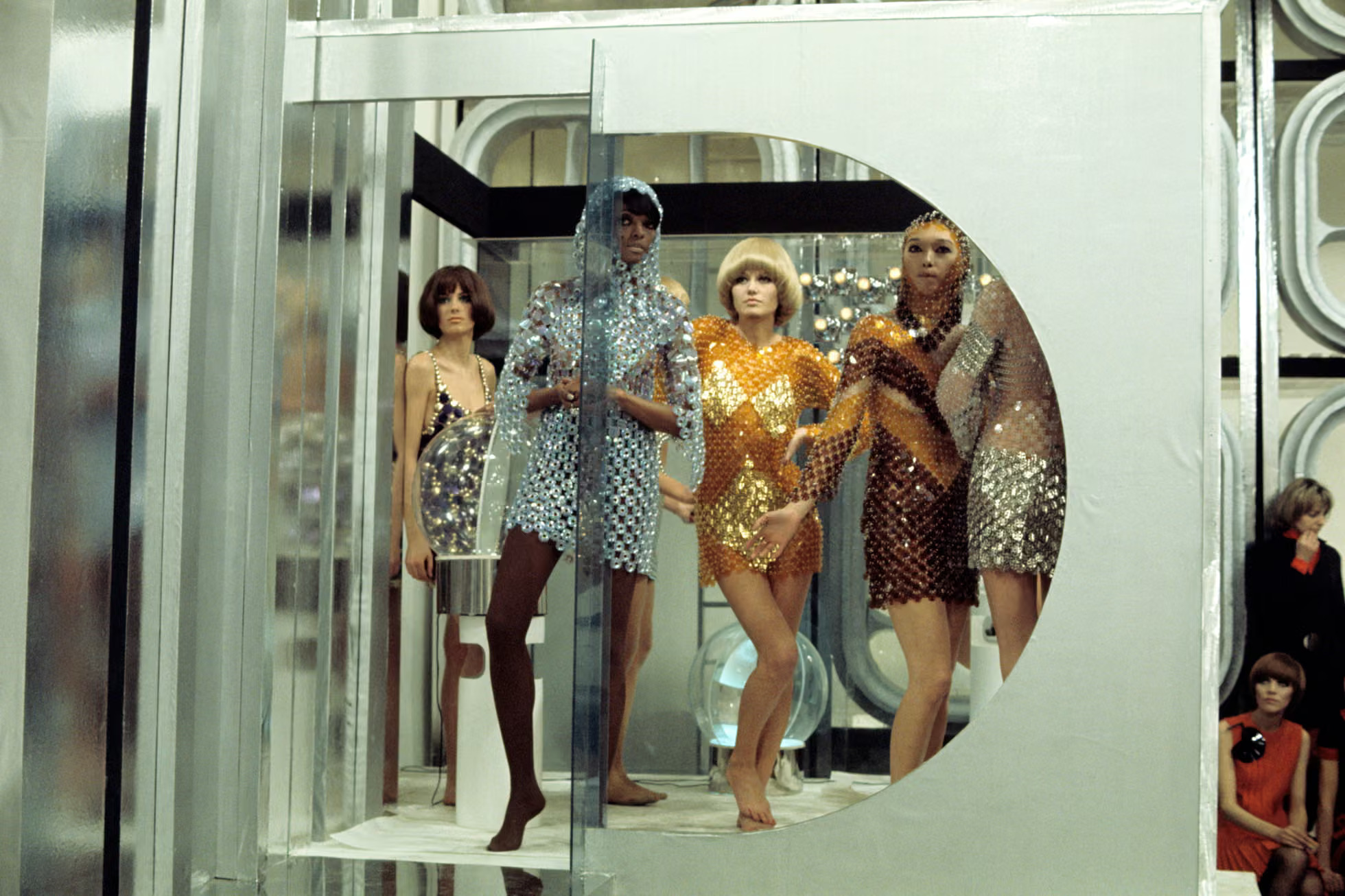
INA/Getty Images
From a business perspective, this appointment represents a strategic move. The modern luxury market is no longer driven solely by heritage or craftsmanship; it is driven by relevance. Brands must capture attention, build emotional connections, and create cultural moments that extend beyond the runway. Rousteing has already demonstrated his ability to turn a fashion house into a global conversation.
His arrival at Rabanne signals a new opportunity: to merge the house’s futuristic DNA with his understanding of celebrity culture, digital storytelling, and global brand building.
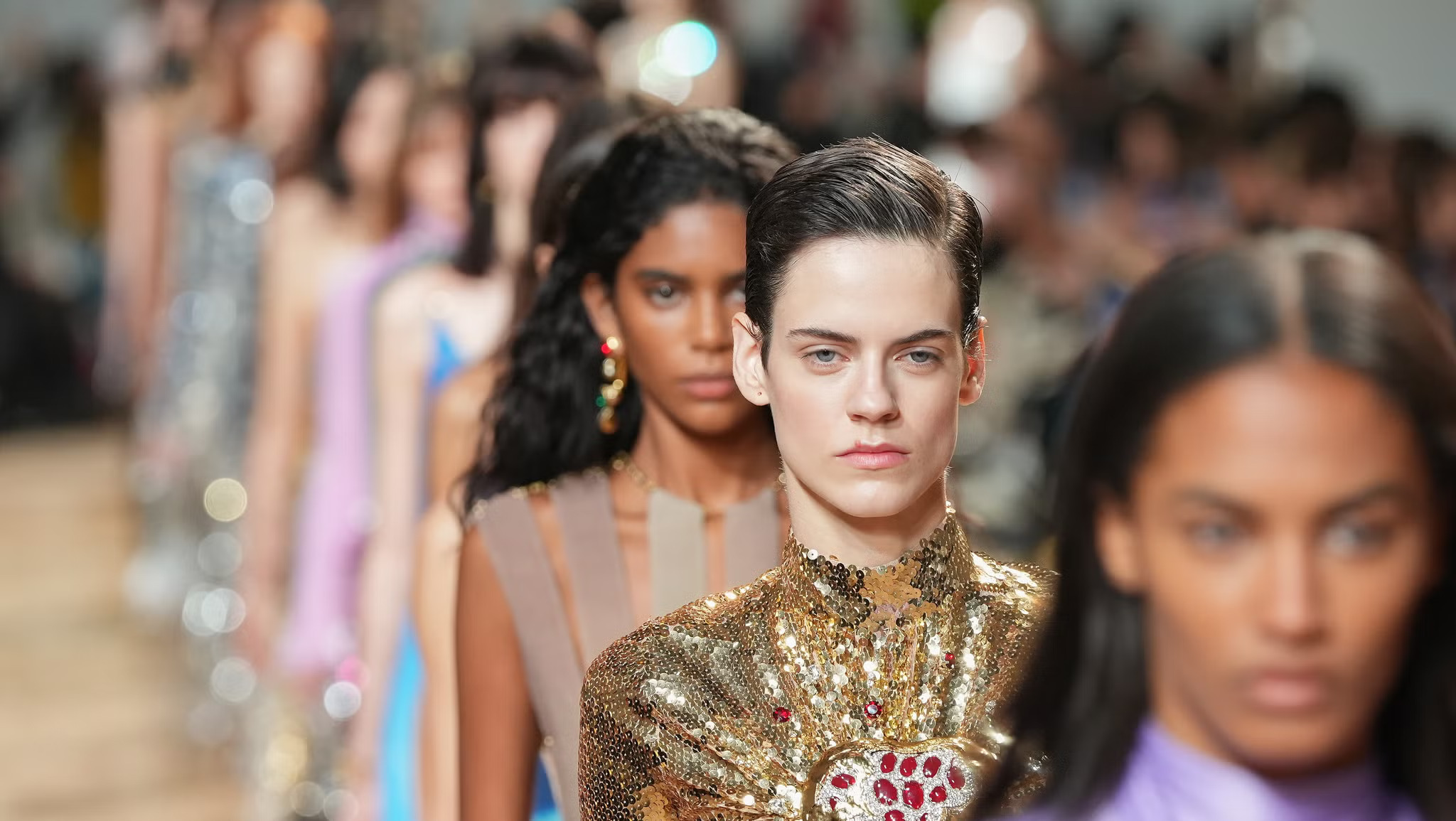
Francois Durand//Getty Images
The question surrounding his next chapter is not whether Olivier Rousteing can design for Rabanne. His creative credentials have already been established. The real question is how he will transform Rabanne’s identity into one of the defining luxury stories of the next decade.
Because in today’s fashion landscape, the most powerful designers are no longer just creating clothes.
They are creating worlds.