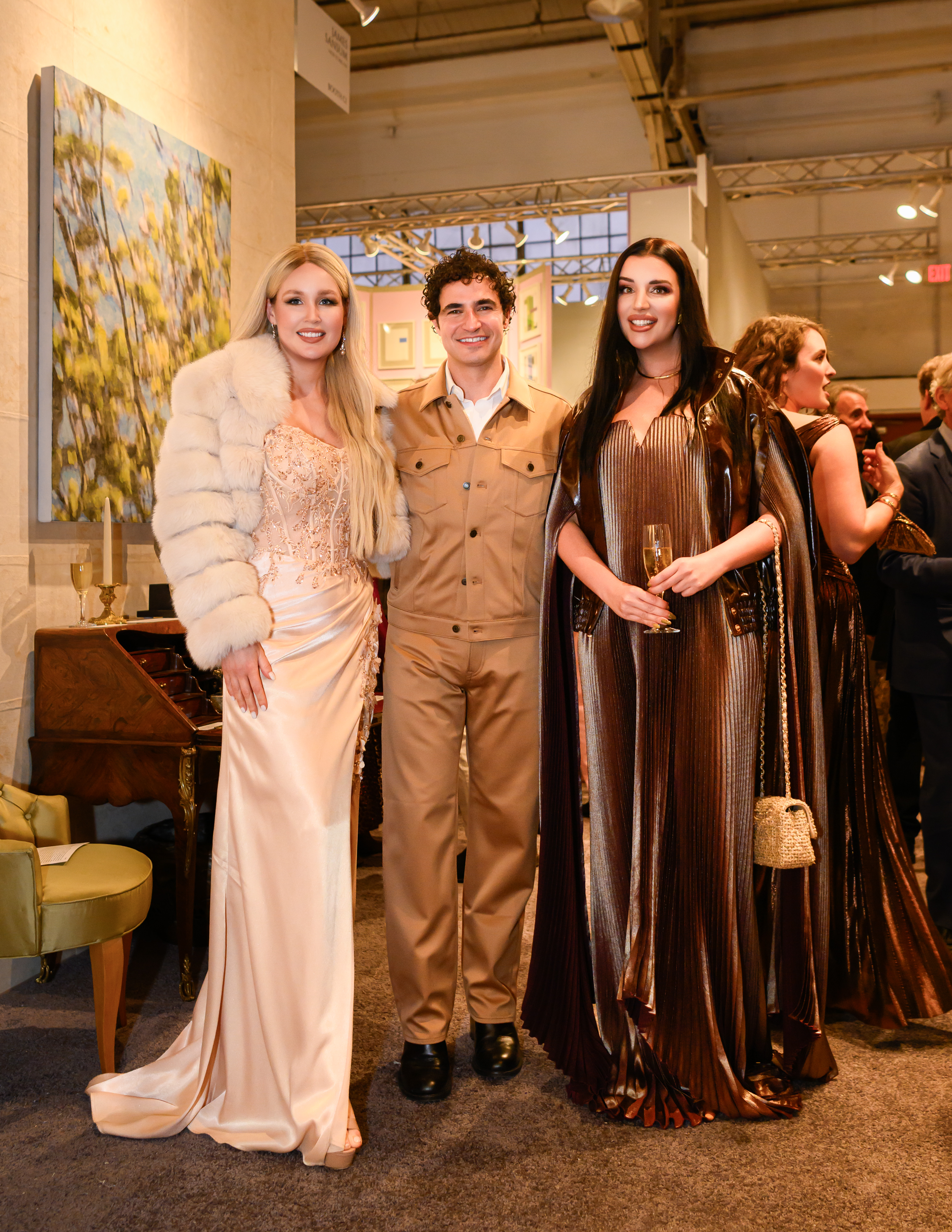
The Art of What Endures: Inside the 44th
San Francisco Fall Show
Beyond the exhibition floor, the San Francisco Fall Show offered a reminder that exceptional design is not simply about what is new, but what continues to hold meaning across generations.
There is a particular kind of beauty that cannot be measured by trends or the changing seasons of design. It exists in the details of an antique, the craftsmanship of a carefully constructed piece of furniture, and the history carried by an object that has passed through generations. At a time when interiors and aesthetics are increasingly influenced by fast-moving trends, the appreciation for objects with a story feels more relevant than ever.
This enduring relationship between art, history, and design was at the heart of the 44th San Francisco Fall Show, which returned to Fort Mason Center for Arts & Culture in October.
Bringing together international dealers, collectors, designers, and art enthusiasts, the annual exhibition once again created a meeting point for the worlds of fine art, antiques, and decorative arts.
A World Beyond the Contemporary
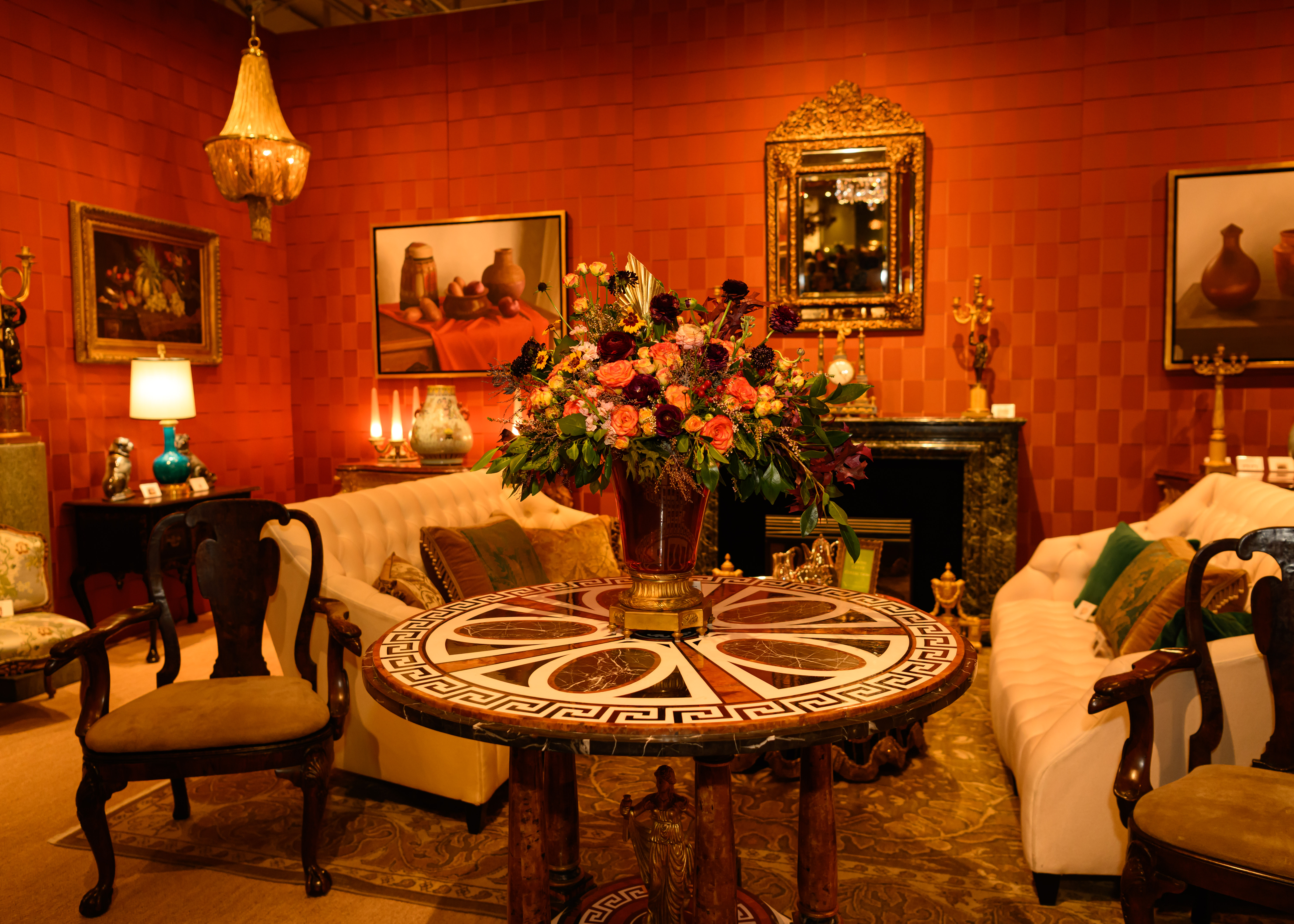
Photo: Yana Mostitsky
Founded in 1982, the San Francisco Fall Show has established itself as an important destination for collectors and design enthusiasts on the West Coast. Its appeal lies in the diversity of its offerings, with more than 40 international dealers presenting works that span different periods, cultures, and artistic disciplines.
From European decorative arts and antique furniture to contemporary paintings, photography, ceramics, jewelry, and rare collectibles, the exhibition demonstrated the breadth of a market built around discovery and appreciation.
What makes collecting particularly compelling is the relationship between an object and its history. A piece of furniture is more than a functional addition to a room. A painting can represent an artistic movement, while a decorative object can offer insight into the traditions and techniques of the period in which it was created.
These are the details that give collected interiors their character. Rather than following a single design language, they bring together different influences, materials, and generations of craftsmanship.
The Value of Craftsmanship
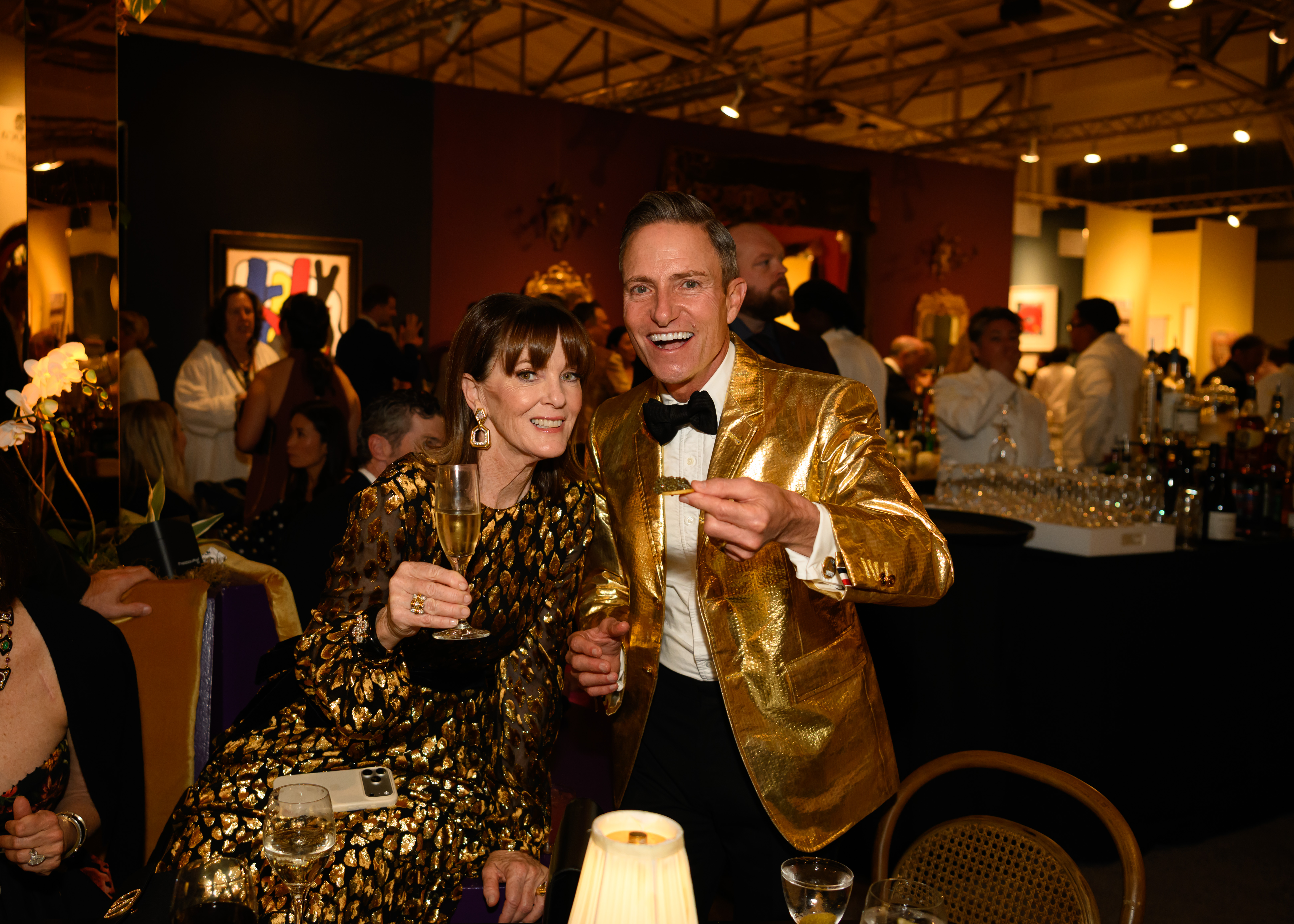
Photo: Yana Mostitsky
Among the most compelling aspects of the Show was the range of creative disciplines represented by its exhibitors. Established galleries and specialist dealers presented collections that reflected both historical significance and contemporary design sensibilities.
The participating exhibitors included Berggruen Gallery, known for modern and contemporary art, BDDW, recognized for its American-made furniture and objects, and Phoenix Ancient Art, which specializes in antiquities. Other presentations explored antique textiles, period furniture, estate jewelry, photography, and decorative objects.
Together, these collections illustrated how craftsmanship continues to connect different eras of artistic expression.
There is also a growing appreciation for the individuality of handmade and carefully preserved objects. Unlike mass-produced furnishings, pieces shaped by skilled artisans often carry the marks of their making. Their materials, proportions, finishes, and imperfections contribute to an identity that cannot easily be replicated.
For collectors and designers, this is part of their appeal. The value of an object extends beyond its appearance or provenance. It also lies in the knowledge, time, and creative skill required to bring it into existence.
Where History Meets Modern Living
Photo: Yana Mostitsky
The relationship between antiques and contemporary interiors has evolved considerably.
Traditional pieces are no longer reserved for historically styled homes or formal settings. Increasingly, designers are incorporating vintage furniture, historical artwork, and distinctive decorative objects into modern spaces.
The result is a more personal approach to interiors, one that values contrast over uniformity.
A contemporary room can gain depth through an antique mirror, a sculptural chair, or an artwork with a rich historical background. Equally, a modern collection can introduce a fresh perspective to traditional architectural surroundings.
This dialogue between old and new was reflected throughout the Fall Show’s presentation of art and design. Its collections offered inspiration for those interested in creating interiors that feel considered rather than simply decorated.
The Show’s designer-led vignettes further demonstrated how individual pieces can be interpreted within a broader interior concept, highlighting the relationship between furniture, textiles, art, and architectural detail.
For today’s design-conscious collector, the objective is not necessarily to recreate a particular period, but to build a space that reflects personal taste while allowing different histories to coexist.
Preserving More Than Beautiful Objects
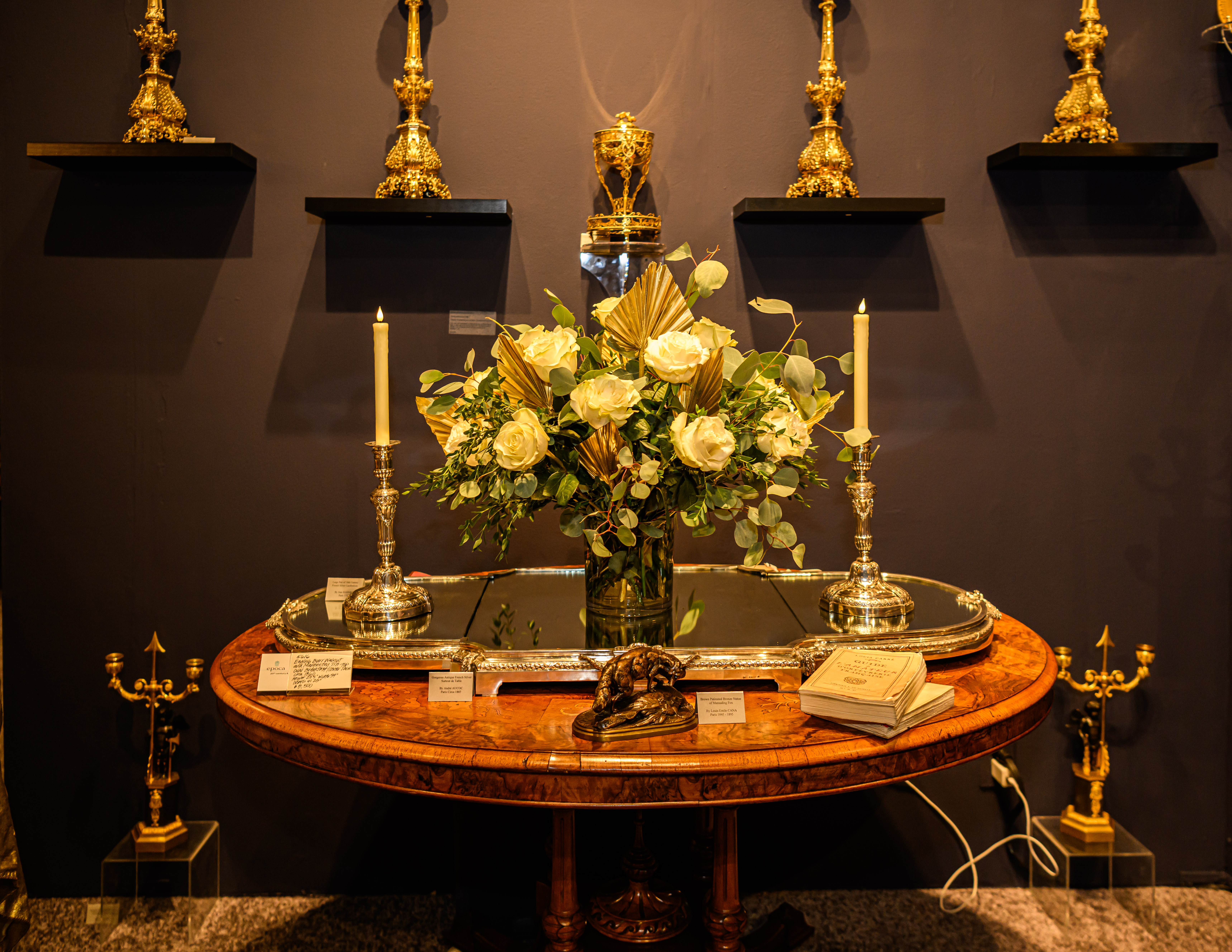
Photo: Yana Mostitsky
Beyond its commercial and creative significance, the San Francisco Fall Show also carries an important cultural purpose.
The organization operates as a nonprofit 501(c)(3), with a mission centered on preserving and advancing the decorative arts through education and a greater appreciation of craftsmanship, design, and cultural heritage.
This distinction adds another dimension to the importance of the annual exhibition. Preserving decorative arts is not simply about maintaining valuable collections. It is also about protecting the knowledge, artistic traditions, and techniques that give these objects their significance.
By bringing dealers, specialists, designers, and the wider public together, the Show creates opportunities for these traditions to remain visible and relevant to new generations.
Its educational programming and design discussions also encourage audiences to look beyond the surface of an object and understand the cultural and artistic context behind it.
The Beauty of What Lasts
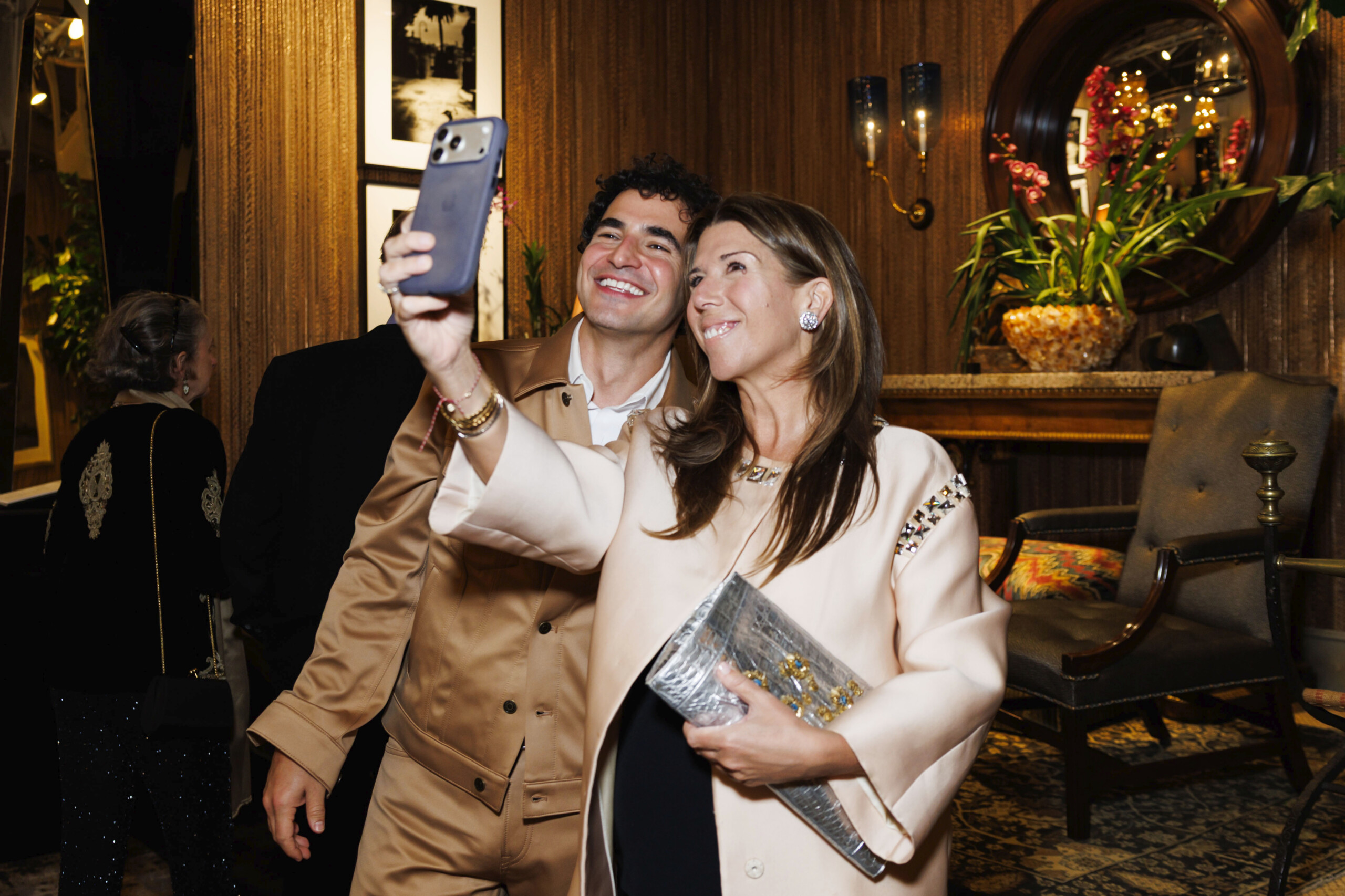
Photo: Drew Altizer
As the 44th San Francisco Fall Show concluded its October edition, its significance extended beyond the pieces displayed across the exhibition floor.
It served as a reminder that meaningful design does not always begin with the latest trend. Sometimes, it begins with an object that has already lived several lives, a piece of furniture shaped by traditional techniques, or an artwork whose relevance has endured across generations.
In an increasingly fast-paced design landscape, the appeal of collecting remains rooted in something more lasting: the desire to surround ourselves with objects that carry history, reflect individuality, and contribute to a deeper sense of place.
Ultimately, the most interesting interiors are rarely defined by a single moment in design. They are built over time, through discovery, personal expression, and an appreciation for the things worth keeping.
And perhaps that is the enduring appeal of the San Francisco Fall Show: its celebration of a world where the past is not simply preserved, but continues to inspire the way we live, collect, and create.